This article was automatically translated by AI.
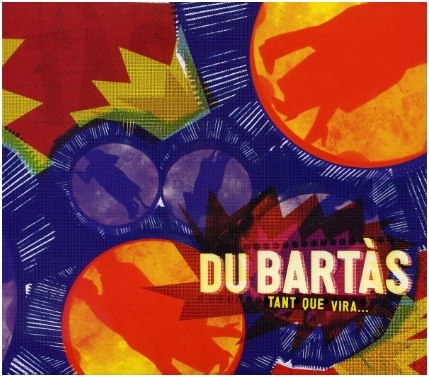
The theme of "new" fits quite well here. I have been thinking for some time about how to best express my thoughts on "Du Bartas – Tant Que Vira…". The genre "World Music / Folklore / Mediterranean" has not really crossed my path in my previous career as a reporter and musician. So why not take a chance in new waters?
The first impression is already surprising: the Mediterranean influence comes through immediately and greets me with a language from the Orient, which I believe is from Turkey. Even before I can finish my sentence in thought to give space to my astonishment, another singer joins the duet and adds his own language to the piece. I am no expert, but I dare to claim that it is "Occitan", a dialect of the French language mentioned on the band's info sheet. However, I cannot pinpoint it exactly, as I have no clue about it.
What I can identify, however, is my interest; for the musicians equipped with the accordion and various percussive sounds (there is no drum kit, but other percussion instruments that I also cannot identify) strike a chord that is unfamiliar to me and now let me enjoy biting into the bait they have cast.
What follows is a cheerful and partially very dance-inspiring mix of musical pieces that repeatedly evoke different associations in my memory.
Sometimes you feel as if you are sitting in an "Irish Pub", where you, completely absorbed in your glass of "Guinness", lend your ears to the "Irish Folk" sound and immediately feel the urge to order a second glass of the coveted brew. "Flogging Molly" without electronics sends their regards!
But before you can pour that mentioned cool liquid into your stomach, an accordion comes into play in the next song, which sends you totally cliché-ridden to Paris to enjoy an overpriced coffee with a croissant at a café. Sounds funny? As strange as it is, the style change flows very smoothly into one another and leaves no doubt for a second that the same artists are still at work. I listen on with curiosity…
In the next piece, the first string instruments begin again, accompanied by wild and rhythmically well-crafted drums, creating a desire and mood for movement. It is indeed a bit unusual, as the rhythm resembles military or march music, but the singers of the piece skillfully suppress this impression.
Singer is a nice keyword: In every song, you can find more and more of these creatures, who either start singing offset from each other or simultaneously. This, in my opinion, makes the music truly interesting, as I am so rarely exposed to multi-voiced singing. It quickly becomes clear: the singing is the distinctive feature of the band. Very nice!
It is frustrating: Despite my musical interest and "ability", I am unable to categorize this band in such a way that they receive the recognition they truly deserve… not to mention the "type" of music that I am desperately trying to describe here. The instruments appeared so rarely in my previous career that I actually have trouble making clear classifications. What I can say, however, is: "Du Bartas" makes very danceable music, which should attract a lot of attention at parties as well as in feel-good pubs, to enthusiastically support people who wish for a nice, alcohol-fueled evening. For this music, in company and with the right amounts of beer, is a mix that could make evenings legendary.
On the other hand, those expecting distorted guitars, complicated riffs, or other niceties of today's time may come away empty-handed. However, friends of pure acoustic music have the chance to find what they are looking for. For me, it was a nice excursion with one or two hints for the future, as the rhythm, melody, and unexpected "good mood" behind this music is more than just fascinating.